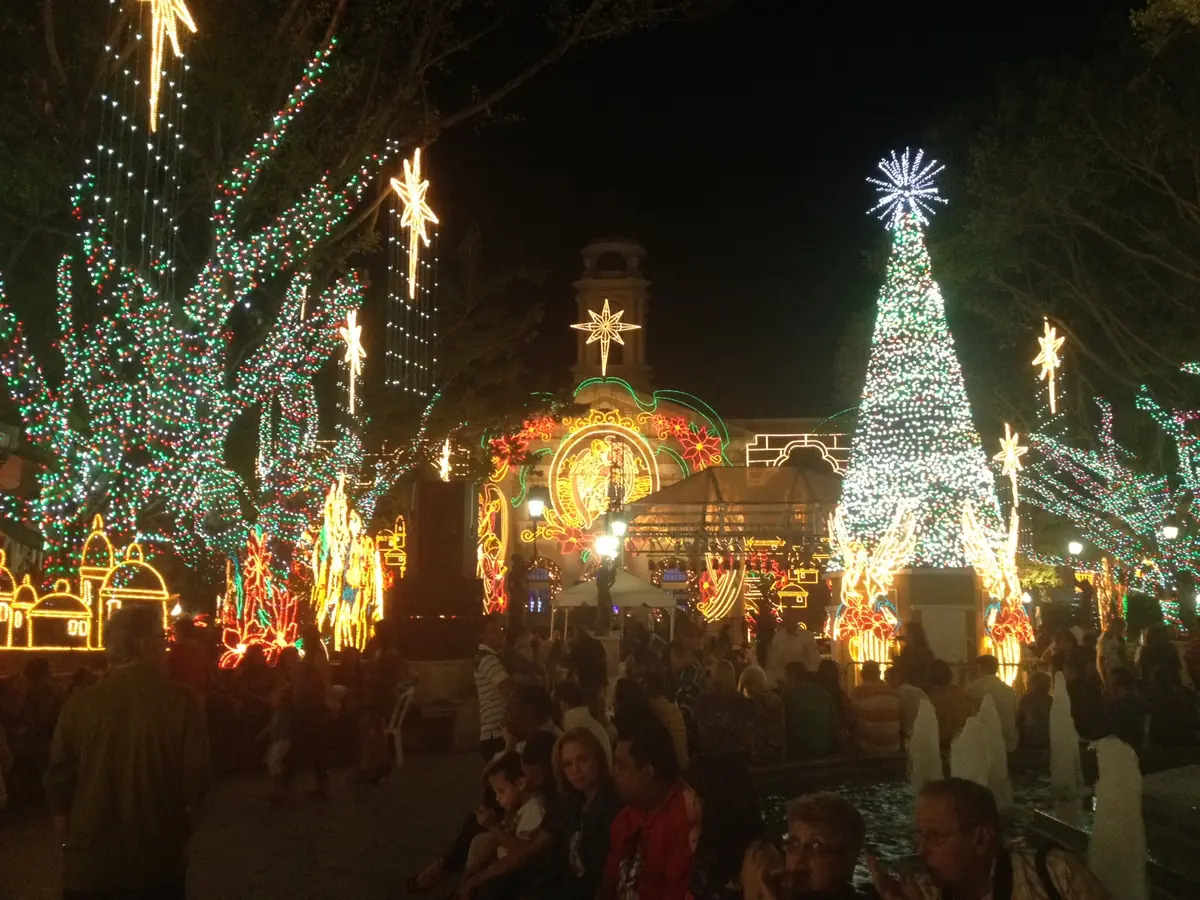
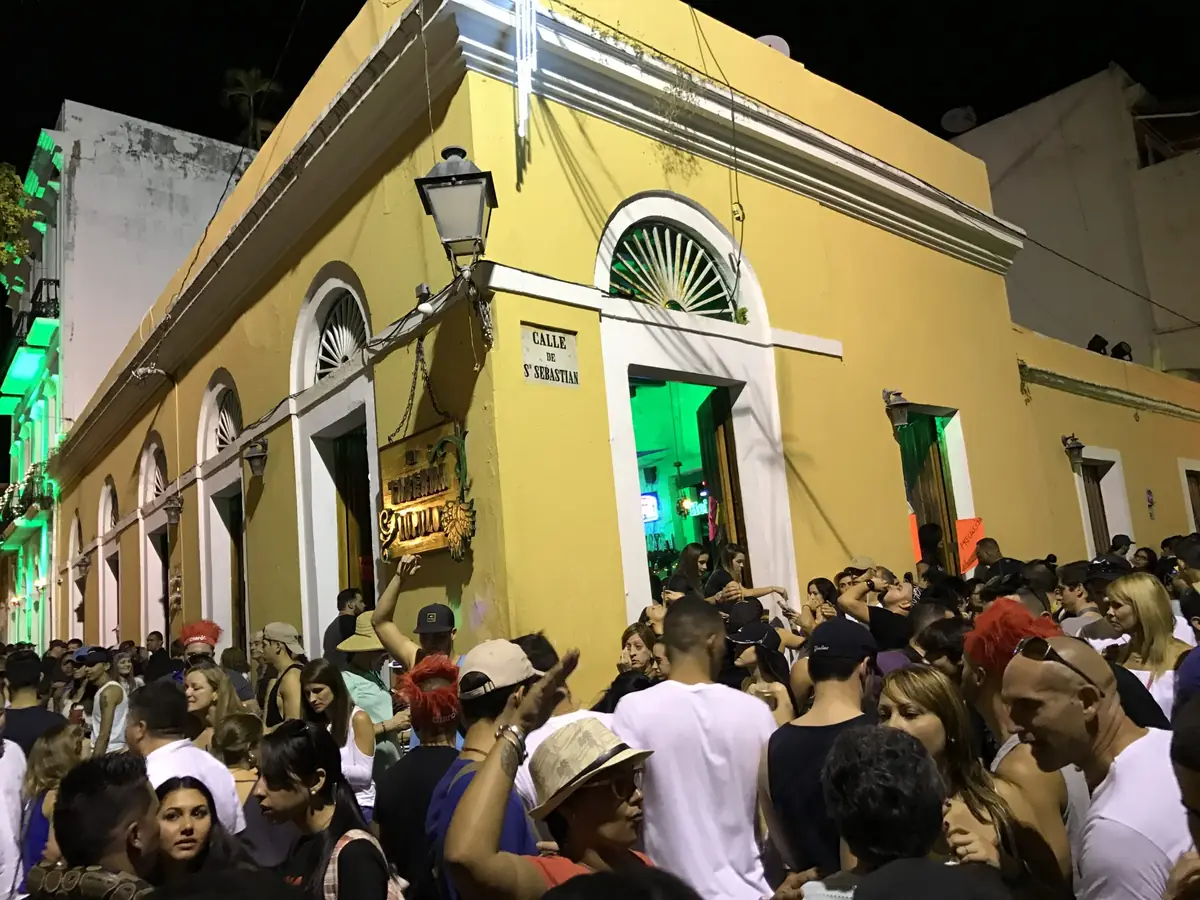
For four days every January, Old San Juan becomes the biggest party in Puerto Rico. The Fiestas de la Calle San Sebastián, known to everyone as la SanSe, fill the old city's plazas and cobbled streets with stages, artisans' stalls, parades of giant-headed figures, food, music and an enormous crowd. For many Puerto Ricans it is the unofficial last act of the island's long Christmas season. It is a spectacular thing to see, and a lot to handle, so it pays to plan.
When it happens
The festival runs four days, Thursday through Sunday, in the second half of January, close to the feast of Saint Sebastian on January 20. In 2026 it ran from January 15 to 18. The 2027 edition has been officially announced for Thursday, January 21, to Sunday, January 24, 2027, by San Juan Mayor Miguel A. Romero Lugo. Detailed stage schedules are usually released by the Municipality of San Juan in the weeks before the event, so check its official channels as the dates approach.
The scale is enormous. The municipality counted 1,083,881 attendees over the four days of the 2026 festival, a record, and that edition was named best cultural festival in the USA TODAY 10Best Readers' Choice Awards.
How it started
The fiestas began in the 1950s at the San José Church, at the top of Calle San Sebastián, where the parish priest, Father Juan Manuel Madrazo, organized festivities in honor of Saint Sebastian that also helped raise money for the deteriorating church. The tradition later faded and was revived, at the urging of the historian Ricardo Alegría, by Rafaela Balladares de Brito and her neighbors on the street, who relaunched it as a fundraiser for a local school. What began as a neighborhood celebration grew into an island-wide event. It used to stretch over two weekends but has since been trimmed to one.
What to see and do
- The cabezudos. The Comparsa de los Cabezudos, costumed dancers wearing huge papier-mâché heads of Puerto Rican characters, parade through the streets with live music. Among the familiar figures are Doña Fela (San Juan's famous mid-century mayor) and the pig from the Juan Bobo folk tales. The parade route ends at the cathedral on Calle del Cristo.
- Religious roots. A Mass in honor of Saint Sebastian is part of the program.
- Artisans. Hundreds of craftspeople sell their work, from carved wooden santos and mundillo bobbin lace to hammocks, jewelry and woodwork. In 2026 more than 450 cultural participants were set up around the Institute of Puerto Rican Culture and the Cuartel de Ballajá.
- Music on every plaza. Stages host live music and dance, from traditional Puerto Rican groups to popular acts. In 2026 the stages were at Plaza Colón, Plaza de la Barandilla, Plaza del Quinto Centenario and Teatro Tapia, and the national trova competition final was held during the festival.
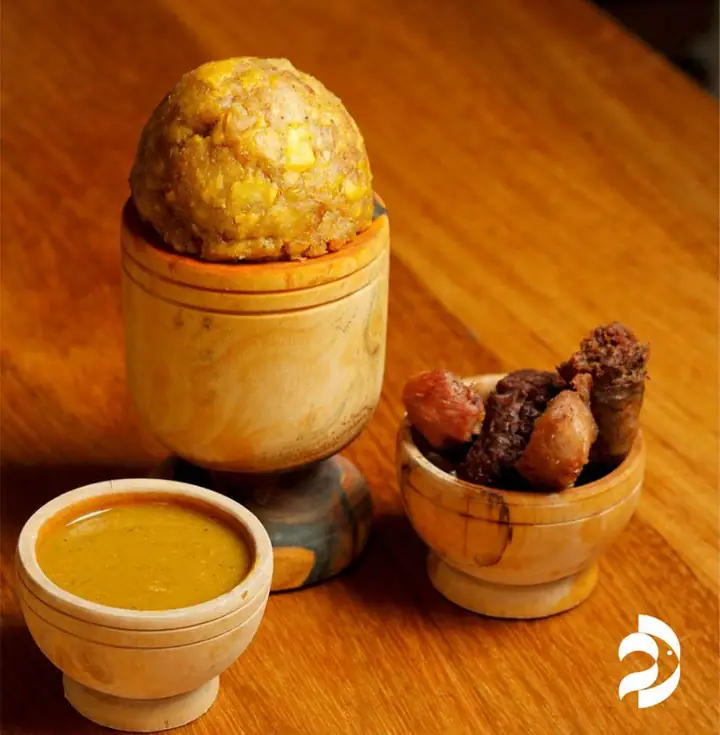
- Food and drink. Kiosks sell traditional food and drinks, and the bars along Calle San Sebastián spill into the street.
- Kids' activities. In 2026 the Museo de San Juan ran free children's workshops on Saturday and Sunday from 10 a.m. to 3 p.m.
The mood shifts through the day. Mornings and early afternoons are best for families, crafts and the parades. As night falls the crowd gets younger and denser and the event turns into a giant street party.
Getting there
Do not drive into Old San Juan. Parking is banned on Calle San Sebastián and other streets during the festival, and the old city is packed with pedestrians. The government and the municipality run a large public transport operation instead. In 2026 it looked like this:
- Shuttle buses from the Sagrado Corazón train station and the Hiram Bithorn stadium in Hato Rey to Old San Juan, at $5 round trip. The Hiram Bithorn lot filled up and briefly closed on the Saturday, so arrive early.
- Tren Urbano and AMA buses were free, with more than 2,400 free guarded parking spaces at several train stations and special late-night bus routes to the Covadonga terminal at the entrance to the old city.
- The Cataño ferry ran extended hours across the bay. Ferry tickets were not free.
- Uber and Lyft used designated pick-up points outside the old city, at El Escambrón and Parque Luis Muñoz Rivera.
Expect similar arrangements in 2027, but check the final transport plan, which is usually announced a few days before the festival.
Practical tips
- Go early. Daytime on Thursday or Friday is the least crowded; Saturday night is the most intense.
- Wear sneakers and light clothes. You will walk a lot, on cobblestones, often in a slow-moving crush.
- Drink water, day and night, and bring sun protection and a hat for daytime.
- Travel light. Carry little, keep your phone and cash in front pockets, and agree on a meeting point with your group in case you lose each other and signal.
- Security is heavy: in 2026 about 1,400 police and security staff were deployed, with metal detectors at transfer points. Leave anything that could be seen as a weapon at home.
- Closing time: in 2026, kiosks closed at midnight and businesses at 1 a.m.
- Staying in Old San Juan puts you in the middle of it; book far ahead and expect noise.
Combine it with
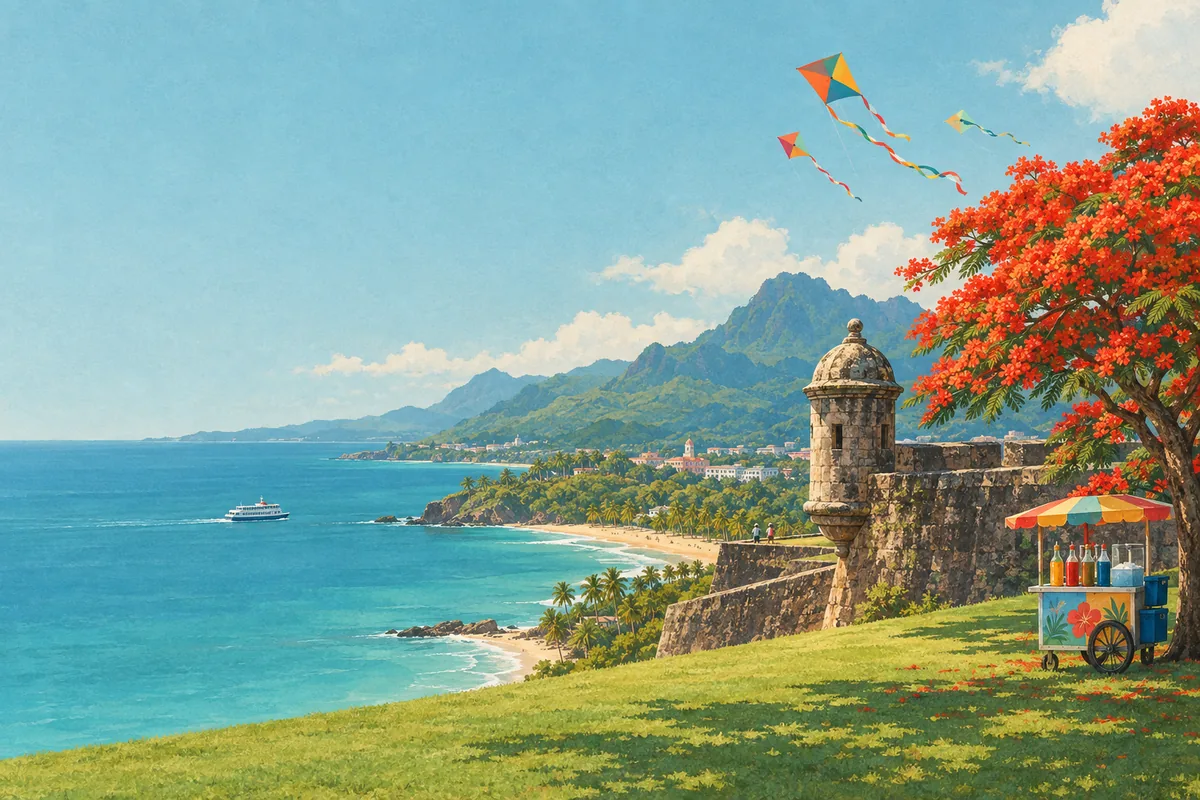
If you arrive a day early, see the old city before the crowds: walk the lawns of El Morro and the cobbled length of Calle del Cristo. During the festival itself, some museums and sites may change their hours, so check ahead if a visit is important to you.
Good to know
- Four days, Thursday to Sunday, in the second half of January.
- 2027 dates, officially announced: January 21–24, 2027.
- Started in the 1950s at San José Church.
- Don't drive: use the shuttles, train, buses or ferry.
- Over a million attendees in 2026; plan for heavy crowds.