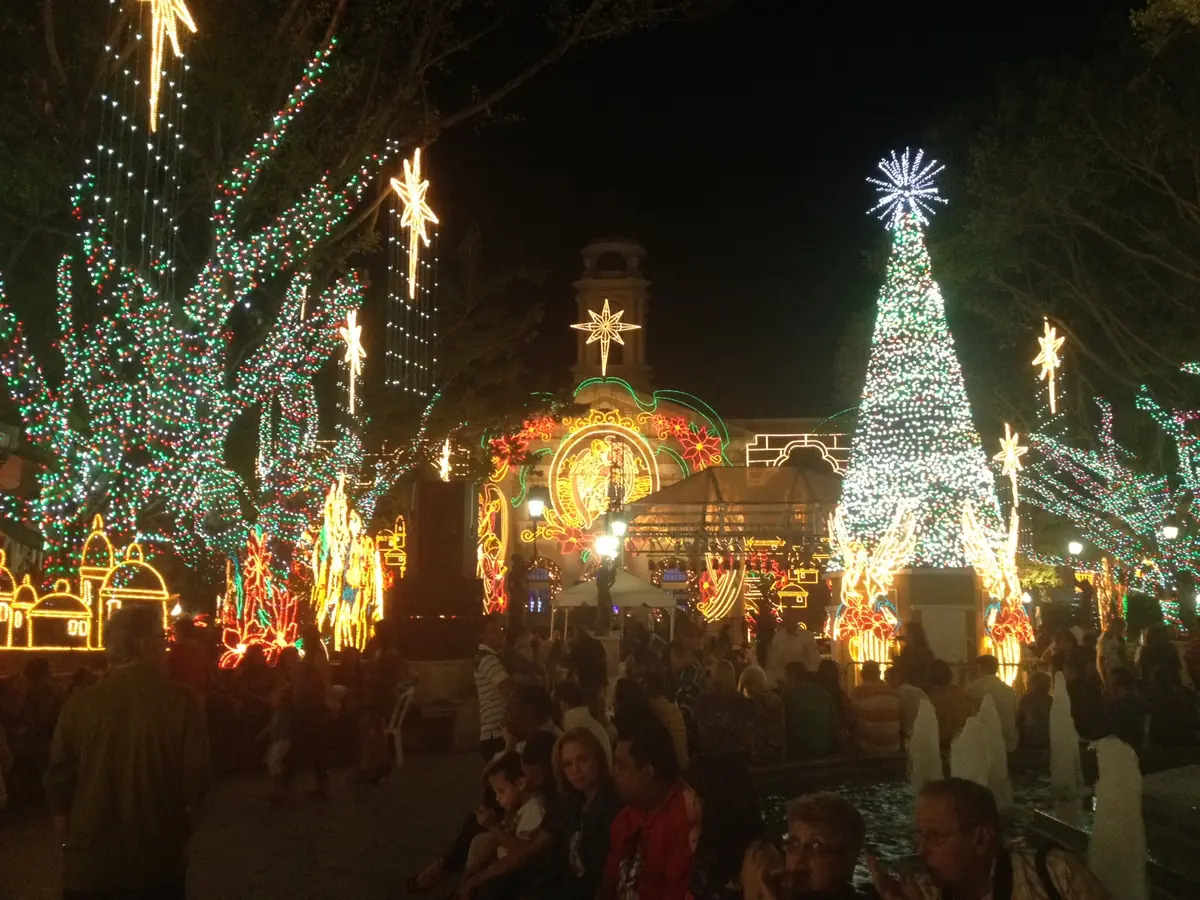
Puerto Ricans like to say their Christmas is the longest in the world, and they have a case. The season starts in the last week of November, keeps going well past New Year's Day through Three Kings Day on January 6 and the eight days after it, and finally winds down with Old San Juan's street festival in late January. Along the way come midnight Mass, surprise musical visits in the middle of the night, roast pork, coconut eggnog and a calendar full of town festivals. If you visit between Thanksgiving and late January, you'll be in the middle of it, and much of it is public and easy to join.
The calendar at a glance
- Late November: the season opens. Lights and decorations go up on houses, plazas and public buildings.
- December: the nine Misas de Aguinaldo, a series of Masses during Advent, a tradition on the island since the early 16th century.
- December 24: Christmas Eve, the big family feast, followed by the Misa de Gallo (Rooster's Mass) at midnight.
- December 25: Christmas Day, now a gift day for many families as well.
- December 28: Día de los Santos Inocentes, with the mask festival in Hatillo.
- January 5–6: the eve and day of the Three Kings, the traditional gift-giving occasion.
- The eight days after January 6: the Octavas, or Octavitas, a final round of celebrations.
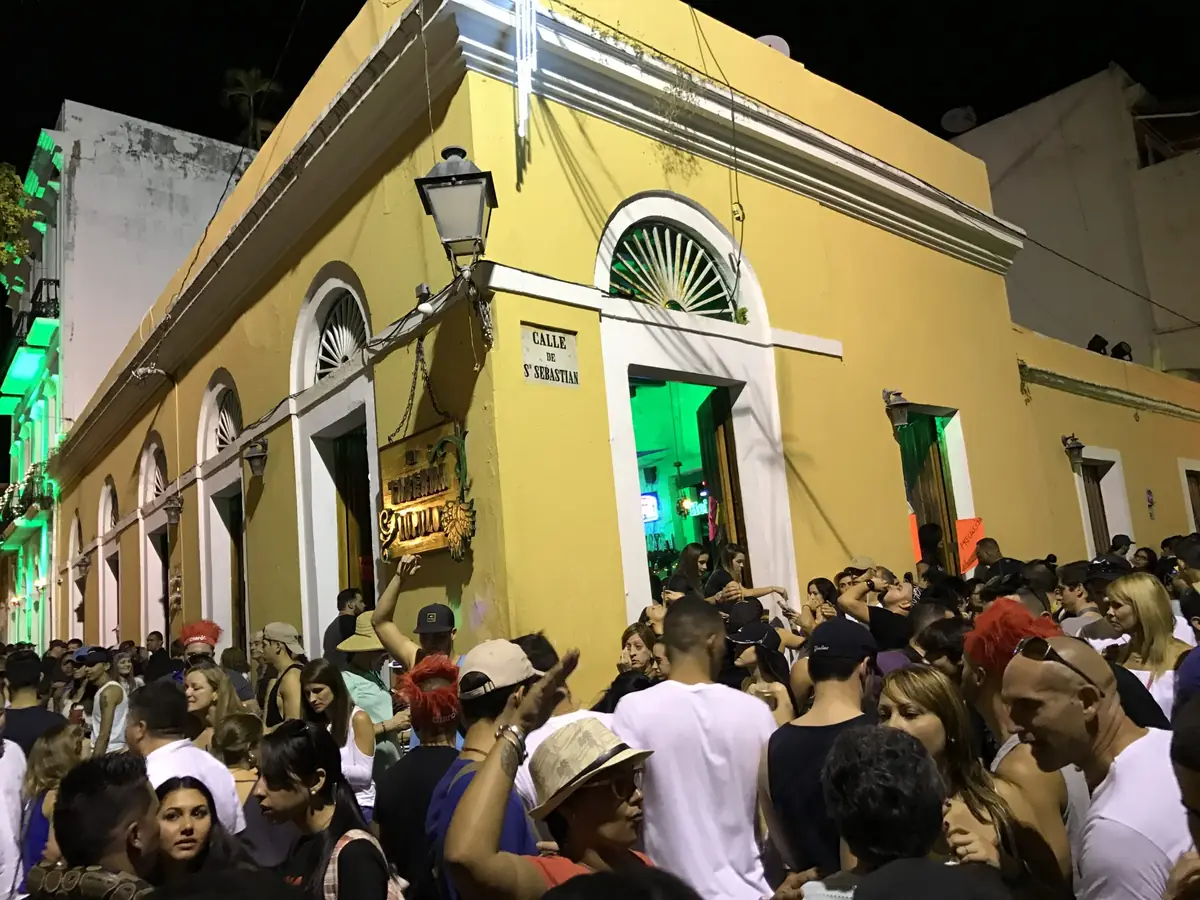
- Second half of January: the Fiestas de la Calle San Sebastián in Old San Juan, officially scheduled for January 21–24, 2027.
Parrandas and Christmas music
The most distinctive Puerto Rican Christmas custom is the parranda, also called a trulla: a group of friends who go from house to house singing Christmas songs, picking up hosts and food and drink as they go. When the group shows up unannounced late at night and wakes the household, it is an asalto, a friendly "assault." The hosts are expected to open the door, feed the singers and often join them for the next house.
The soundtrack is aguinaldos and seis, forms of country music created by the island's jíbaros from Spanish roots, with dozens of regional styles. The essential instrument of any parranda is the cuatro, a small guitar-like instrument that is Puerto Rico's national instrument. You will also hear villancicos, Christmas carols in local versions; "El Villancico Yaucano," from 1951, is one of the best loved.
The Christmas table
Holiday food is a serious matter, and many dishes appear mostly at this time of year:
- Lechón asado: whole pig slow-roasted on a spit. Demand rises sharply in December; the roadside lechoneras of Guavate in Cayey are the classic place to eat it.
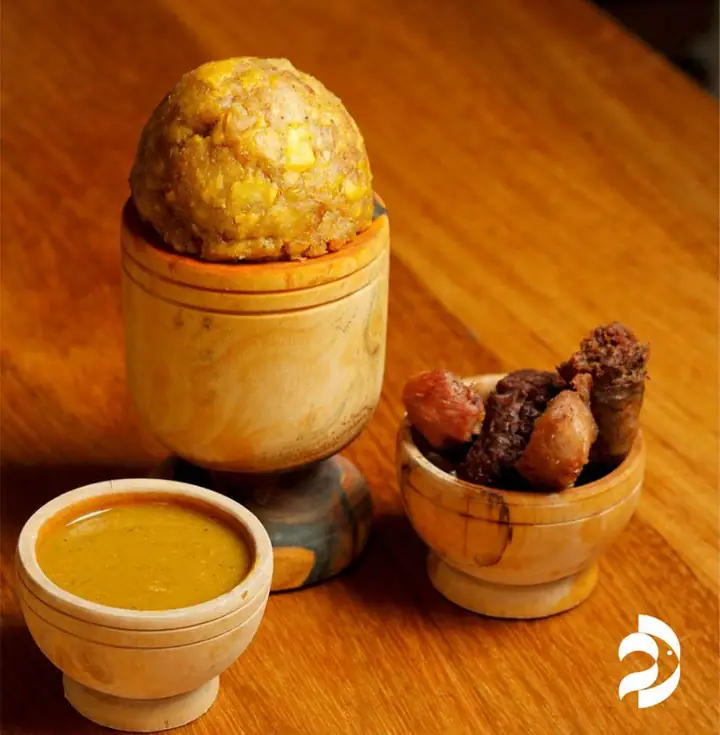
- Pasteles: a masa of grated green banana and root vegetables wrapped around seasoned pork, folded in a plantain leaf and boiled. Families make them by the dozen.
- Arroz con gandules: rice with pigeon peas, the essential side dish.
- Morcilla: blood sausage.
- Coquito: a rich coconut and rum drink, often called Puerto Rican eggnog. Everyone's family recipe is the best.
- Tembleque (coconut custard) and arroz con dulce (spiced coconut rice pudding) for dessert.
For more on these dishes, see five Puerto Rican foods to try.
Three Kings Day
For generations, the main day for children's gifts was not December 25 but January 6, the Día de los Reyes, which honors the three wise men. On the night of January 5, children fill a shoebox with grass and leave it under the bed for the Kings' camels (though Puerto Rican images often show the Kings on horseback); in the morning, the grass is gone and gifts have appeared. Christmas Day gifts became common later, partly through the influence of television, and many families now celebrate both. On January 6, government agencies and municipalities hold public celebrations that hand out gifts to children.
The town of Juana Díaz, on the south coast, has a particular claim to the Kings. Its Reyes Juanadinos tradition dates to 1884, and the town is home to the Casa Museo de los Santos Reyes, described as the first museum devoted entirely to the Three Kings.
Hatillo's Festival de las Máscaras
On December 28, the Day of the Holy Innocents, the north-coast town of Hatillo holds its Festival de las Máscaras. Costumed runners in bright, elaborate outfits and masks fill the streets, followed by a parade of decorated floats and vehicles. The masked figures represent the soldiers King Herod sent in search of the infant Jesus. The custom is linked to settlers from the Canary Islands and has been organized by the town's cultural center since the 1970s. The 2023 edition drew tens of thousands of visitors and more than 5,000 registered runners. If you go, expect heavy traffic and arrive early.
Lights, nativity scenes and Santa
Nativity scenes, called belenes or nacimientos, have been a fixture since at least the 19th century and are still displayed by churches and public institutions. The Christmas tree arrived with the scientist Agustín Stahl, who is said to have decorated one in Bayamón around 1866, and electric lights spread in the 20th century. Santa Claus is a later import, but he is now everywhere, alongside the Kings.
Tips for visiting at Christmas
- Book early. The weeks around Christmas and New Year are a busy time to travel to the island, so reserve flights, rooms and rental cars well ahead.
- Plan around closures. Expect many businesses and offices to close or shorten hours on December 24–25, January 1 and January 6. Restaurants fill up; reserve for Christmas Eve and New Year's Eve.
- Join in. Municipalities stage their own holiday events through the season; check town websites, social media and local news for dates, since most are announced only shortly before.
- Traffic: roads to the mountain lechoneras and to big festivals get very congested, especially on weekends.
Combine it with
A holiday trip can take in a beach morning, a lechón lunch in Guavate, an evening walk through decorated Old San Juan from Plaza Colón to the cathedral, and, if you stay late enough, the SanSe in January.
Good to know
- The season runs from late November to late January.
- Three Kings Day, January 6, is the traditional gift day; leave grass out for the camels on the 5th.
- Must-tries: lechón, pasteles, arroz con gandules, coquito, tembleque.
- Hatillo's mask festival is held every December 28.
- The season closes with the Fiestas de la Calle San Sebastián, January 21–24 in 2027.